
 jayden@exwprice.com
 +86-13386111894
 Products & Solutions
  en
en English
 Русский
 España
 عرب .
عرب .

If you need any help, please feel free to contact us
inquire
Can the Liquid Level Series Enhance Safety in Fluid Systems?
Introduction to Liquid Level Series
The liquid level series encompasses a range of instruments designed to monitor and control fluid levels in industrial, commercial, and residential systems. Accurate liquid level measurement is critical for maintaining operational safety, preventing equipment damage, and ensuring process efficiency. From sight glasses and float switches to electronic sensors and alarm systems, the liquid level series provides comprehensive solutions for fluid management in tanks, pipelines, and reservoirs.
Importance of Liquid Level Monitoring
Maintaining precise liquid levels is essential for the safety and efficiency of fluid systems. Incorrect levels can lead to equipment malfunction, spillage, and even hazardous situations in chemical, oil, and water treatment industries.
Preventing Overflows and Spills
Overfilled tanks can cause spills, damaging equipment, contaminating the environment, and creating safety hazards. Liquid level devices provide real-time monitoring, allowing operators to respond quickly and prevent overflow incidents. Automated alarm systems can trigger shutdowns or corrective actions before damage occurs.
Avoiding Dry-Run Conditions
Pumps and other equipment can be severely damaged if operated without sufficient fluid. Liquid level sensors help maintain minimum operating levels, ensuring equipment runs safely and efficiently. This proactive monitoring reduces maintenance costs and extends equipment lifespan.
Types of Liquid Level Devices in the Series
The liquid level series includes various devices tailored to different fluid system requirements. Each type offers unique advantages in terms of precision, durability, and integration.
Sight Glasses and Gauge Tubes
Sight glasses provide a visual indication of fluid levels in tanks. They are simple, cost-effective, and reliable, making them suitable for low-risk applications. Some models include protective shields to prevent breakage in harsh industrial environments.
Float-Based Level Sensors
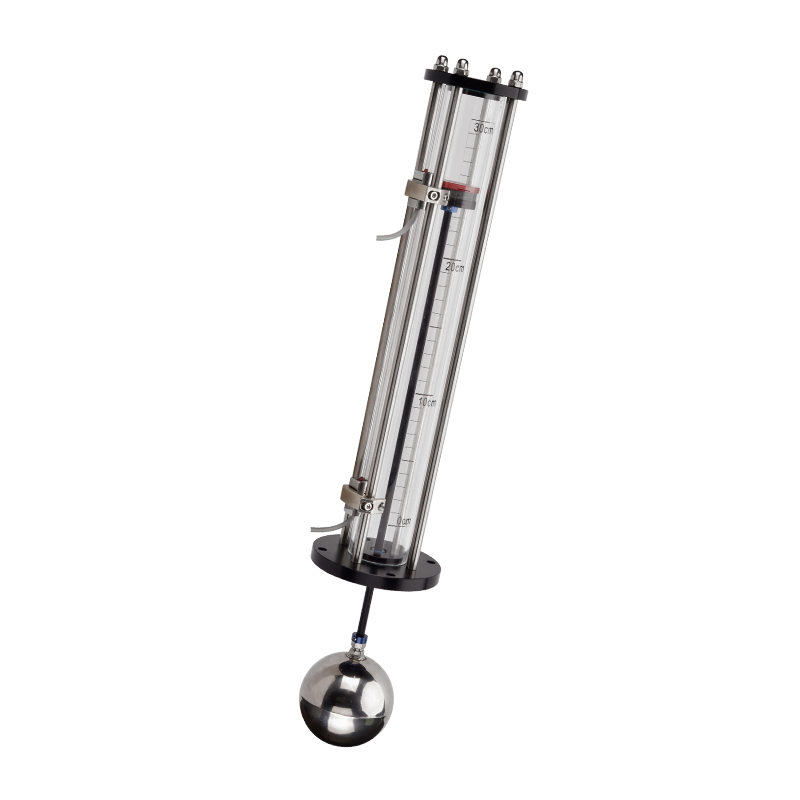
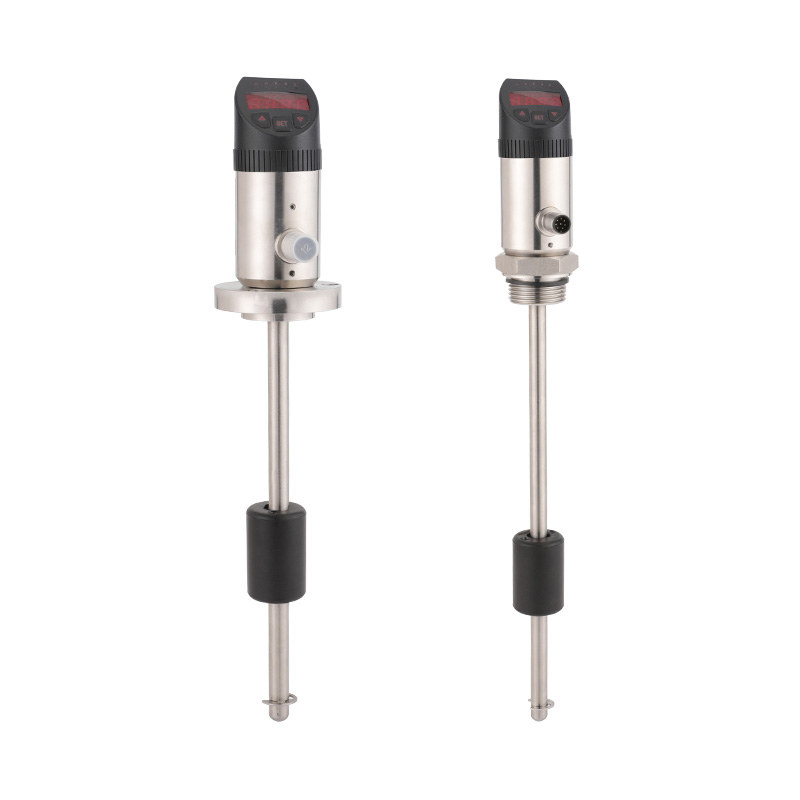
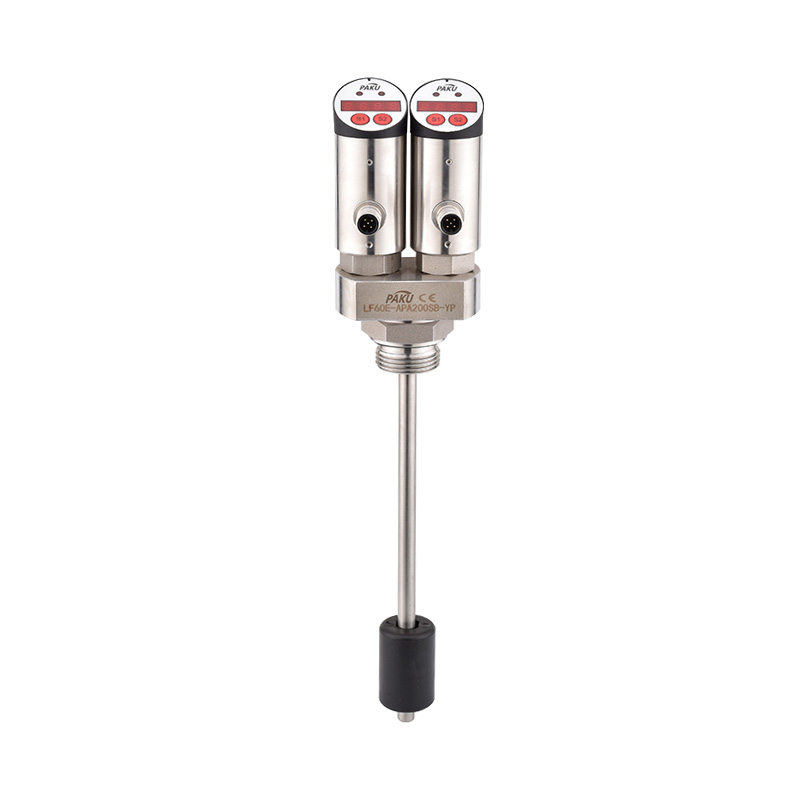
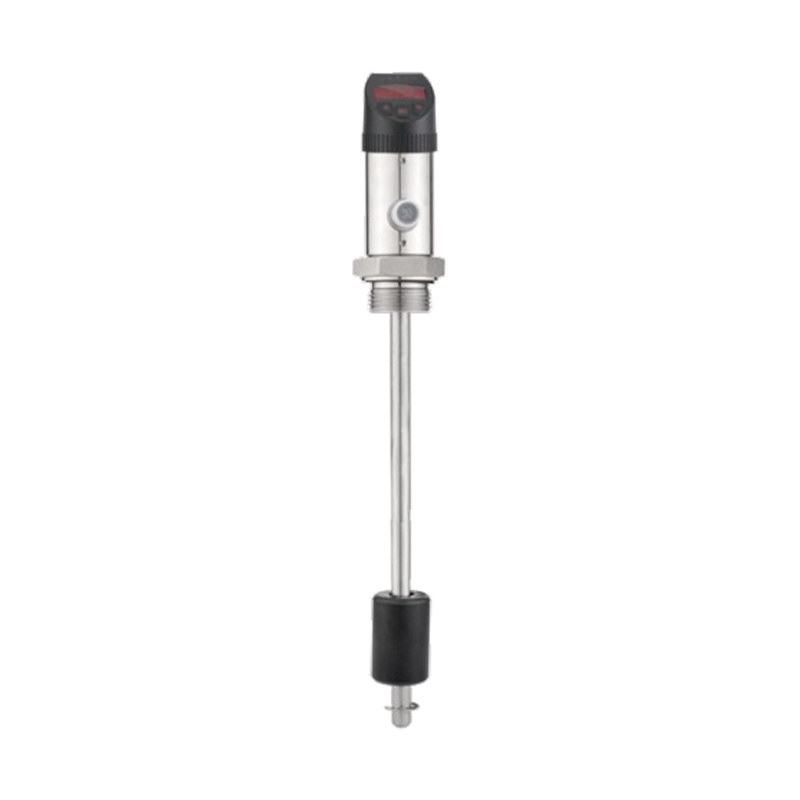
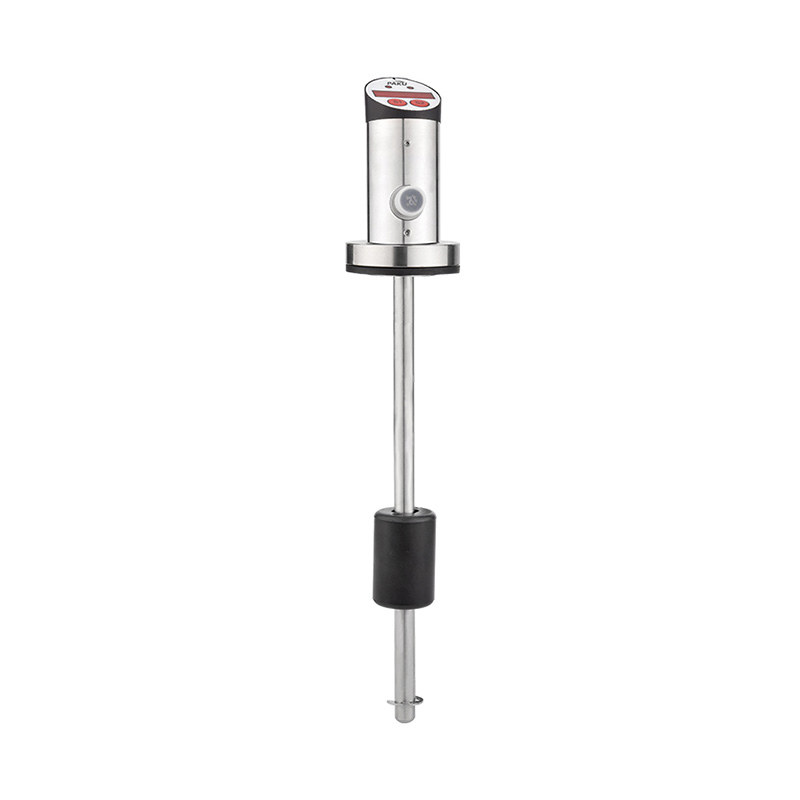
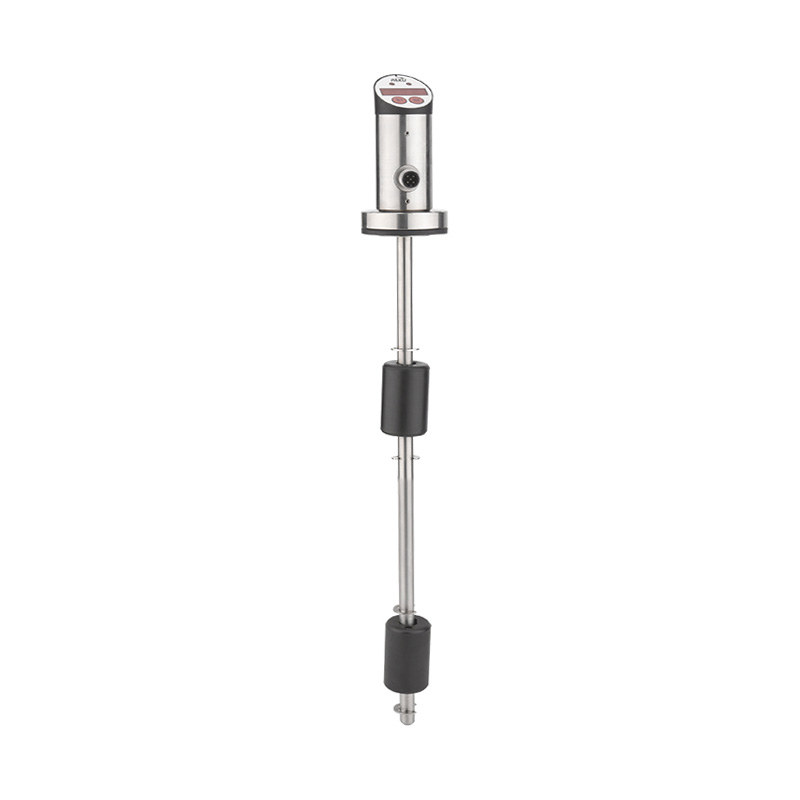
Float switches use a buoyant element to detect liquid levels, triggering mechanical or electrical outputs. They are widely used for pump control, overflow protection, and alarm systems. Float sensors are versatile, durable, and capable of operating in various fluids, including water, oil, and chemicals.
Electronic and Ultrasonic Sensors
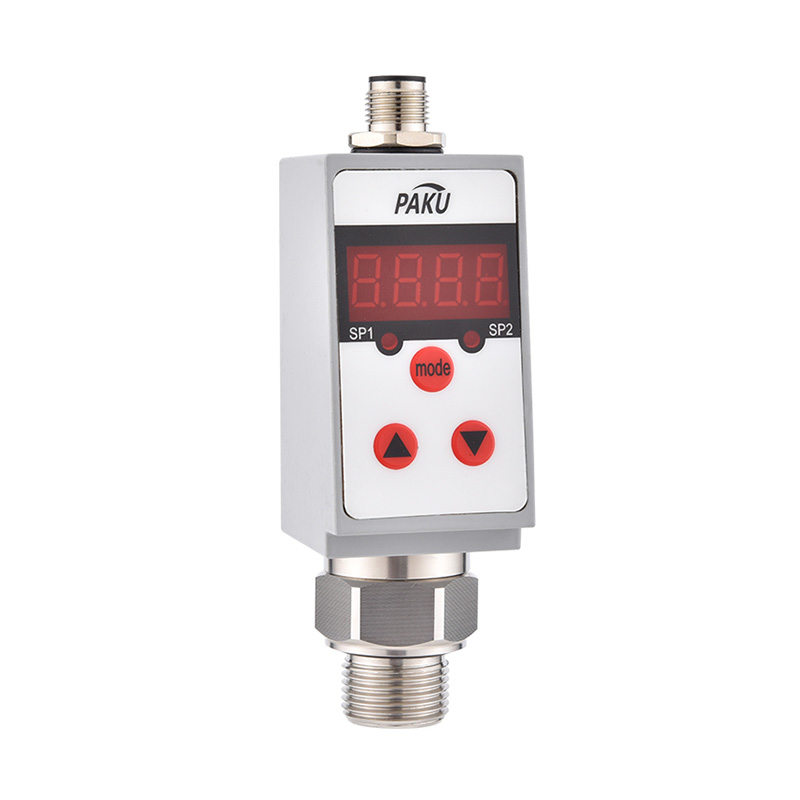
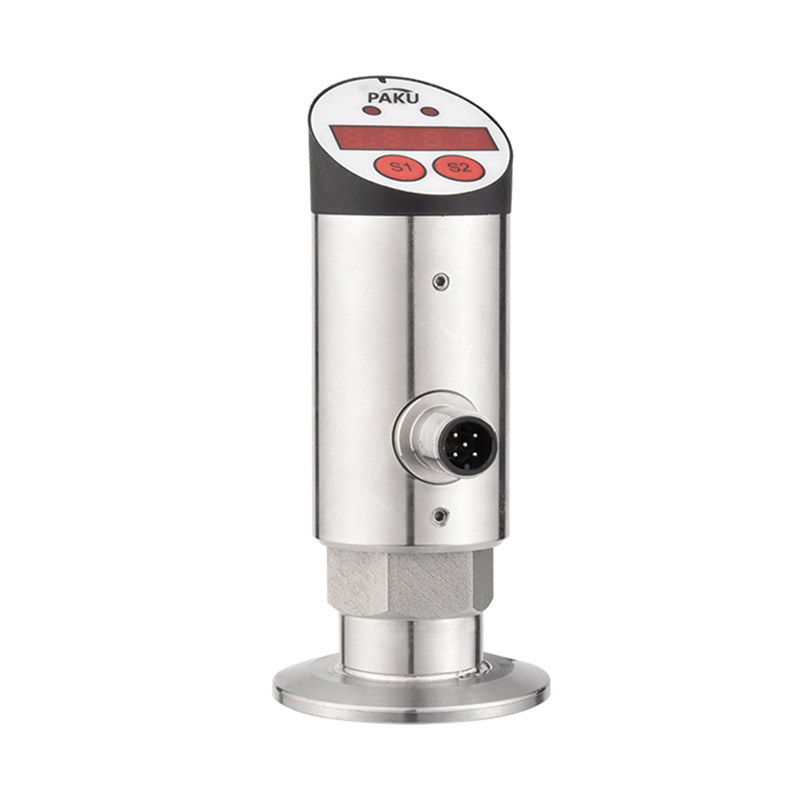
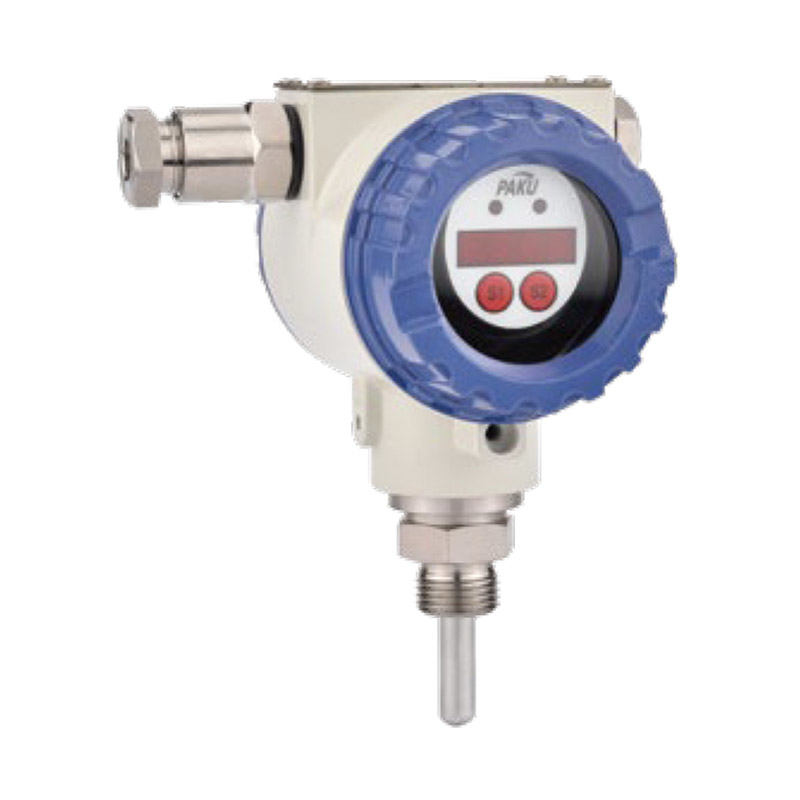
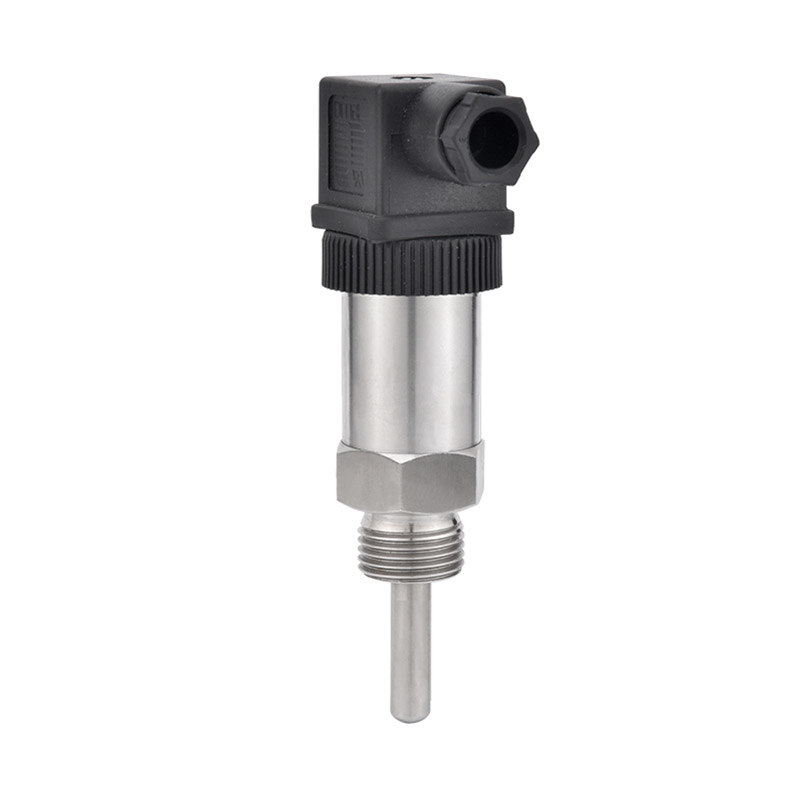
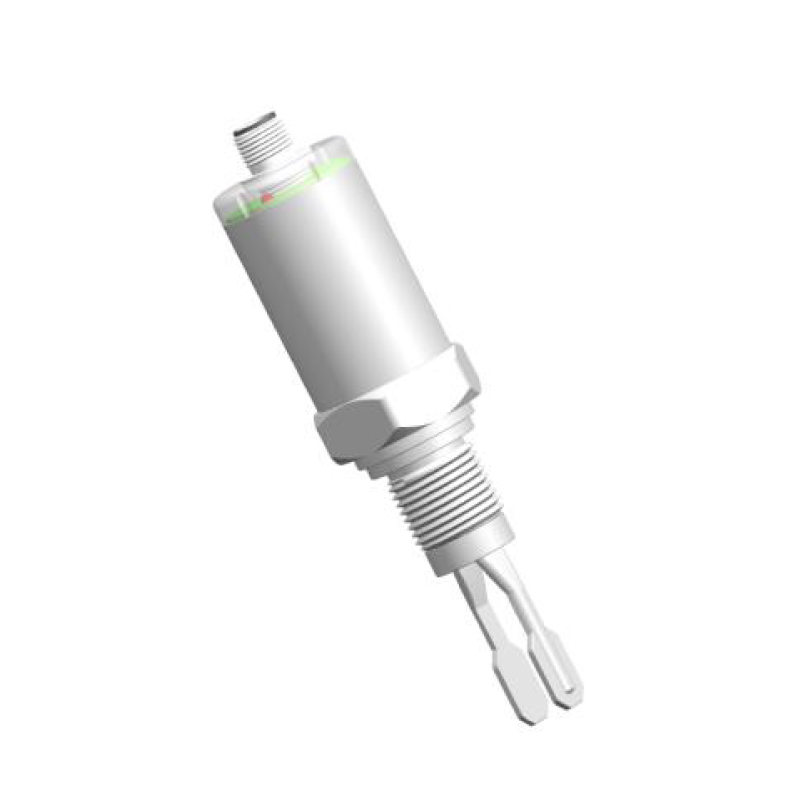
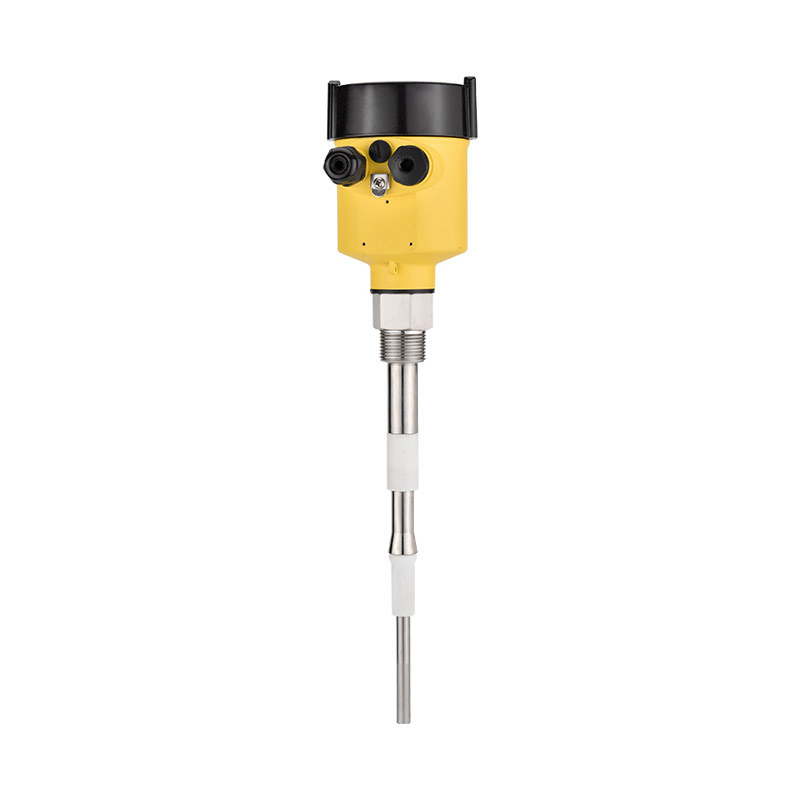
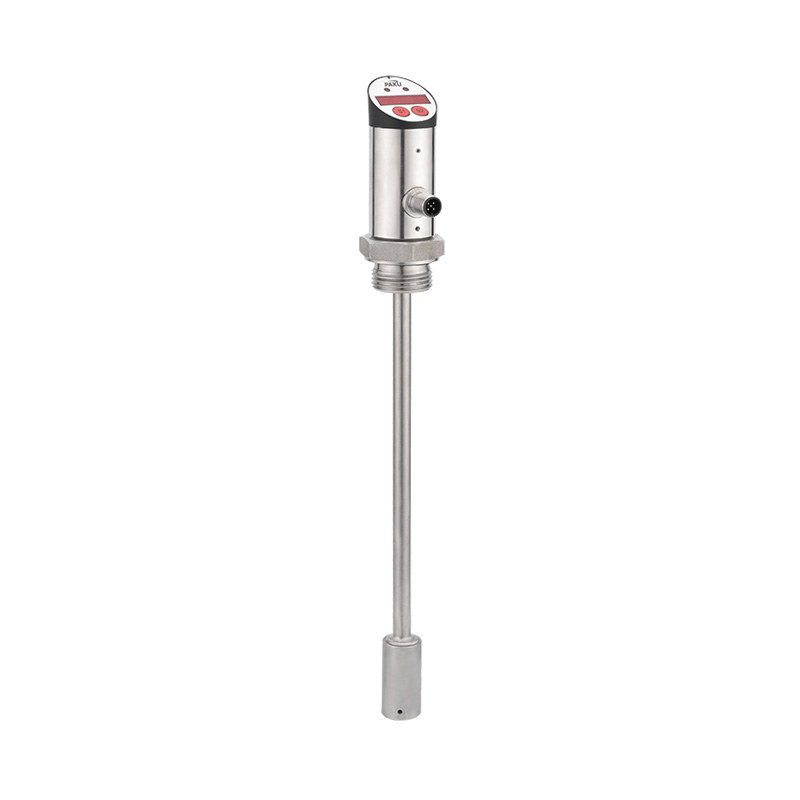
Electronic sensors, including ultrasonic, capacitive, and radar devices, offer high accuracy and remote monitoring capabilities. They are ideal for automated systems, providing real-time data integration with control systems, enabling predictive maintenance, and reducing human error.
Advantages of Liquid Level Series Devices
Implementing liquid level devices enhances fluid system safety, efficiency, and operational reliability.
Enhanced Safety
By continuously monitoring fluid levels, these devices prevent hazardous conditions such as overflows, leaks, and dry-run pump operation. Accurate detection ensures both personnel and equipment are protected from potential accidents.
Operational Efficiency
Liquid level devices allow for precise control of fluid systems, minimizing waste and optimizing process performance. Automated level control reduces manual intervention, saving time and reducing the risk of human error.
Cost Savings
Preventing overflows, spills, and equipment damage lowers maintenance and replacement costs. Long-term savings are significant, especially in large-scale operations where fluid volumes are substantial and potential hazards are costly.
Applications in Various Industries
The liquid level series is used across multiple industries to enhance system safety and reliability.
- Water Treatment – Monitoring reservoir, tank, and chemical dosing levels.
- Chemical Processing – Maintaining precise levels of reactive or corrosive liquids.
- Oil and Gas – Preventing spills in storage tanks and pipeline systems.
- Food and Beverage – Ensuring consistent liquid levels in production and storage tanks.
- Pharmaceuticals – Accurate fluid measurement for safe production processes.
Integration with Modern Control Systems
Advanced liquid level devices can be integrated into SCADA, PLC, and IoT systems, allowing real-time monitoring, remote management, and predictive analytics. This integration enhances overall safety, efficiency, and operational decision-making, especially in large-scale fluid systems where manual monitoring is impractical.
Comparison of Liquid Level Device Types
Choosing the right device depends on accuracy requirements, fluid type, and operational conditions. The following table summarizes the main differences:
| Device Type | Advantages | Applications |
| Sight Glass | Simple, low-cost, visual monitoring | Small tanks, low-risk fluids |
| Float Sensor | Durable, automatic switching, versatile | Pumps, overflow alarms, tank monitoring |
| Electronic/Ultrasonic | High accuracy, remote monitoring, integration | Automated systems, large tanks, corrosive/critical fluids |
Conclusion
The liquid level series plays a crucial role in enhancing safety and efficiency in fluid systems. By providing accurate monitoring, automatic control, and integration with modern management systems, these devices prevent overflows, dry-run conditions, and potential hazards. Their versatility across industries, from water treatment to pharmaceuticals, makes them indispensable for ensuring reliable and safe fluid operations. Investing in appropriate liquid level devices not only protects personnel and equipment but also optimizes process performance and reduces operational costs, highlighting their value in both small and large-scale applications.
information
 jayden@exwprice.com
 +86-13386111894 / +86-021-37566990
jayden@exwprice.com
 B-4th Floor, Lane 1313, Nanting Road, Nanqiao Town, Fengxian District, Shanghai, China

Product Links

