
 jayden@exwprice.com
 +86-13386111894
 Products & Solutions
  en
en English
 Русский
 España
 عرب .
عرب .
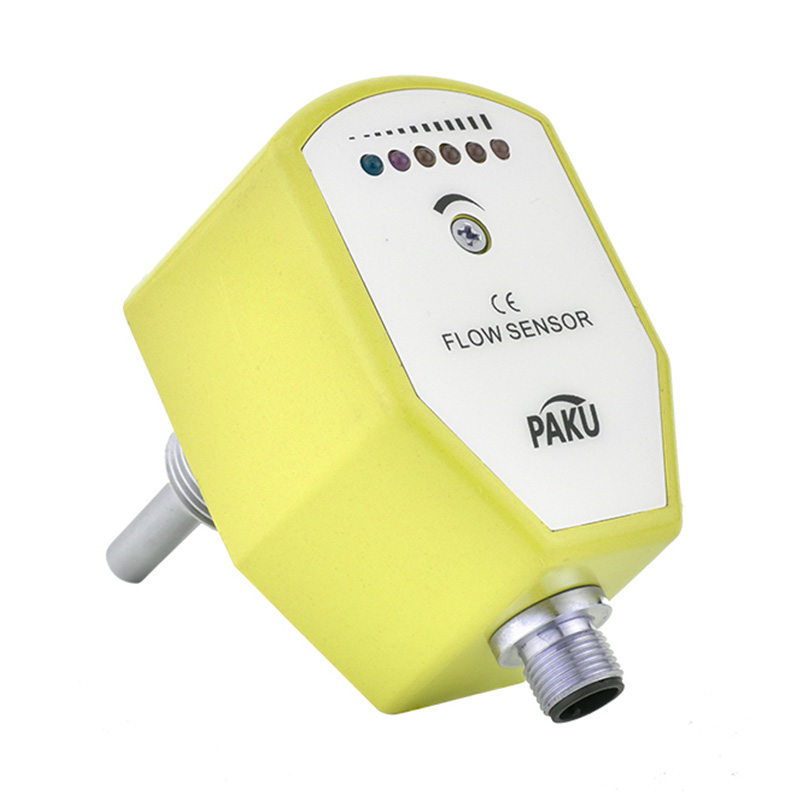
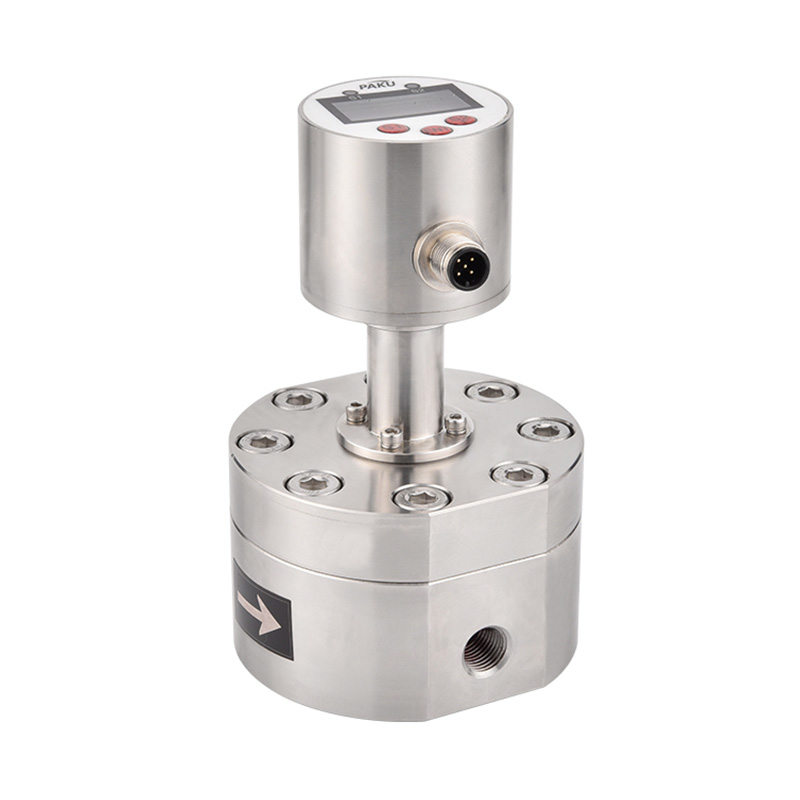
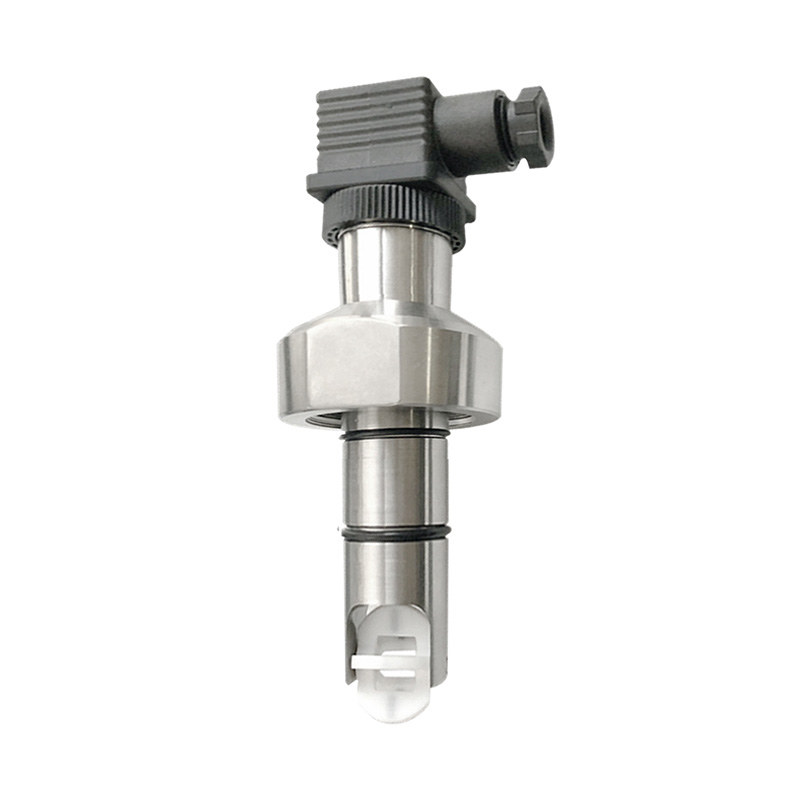
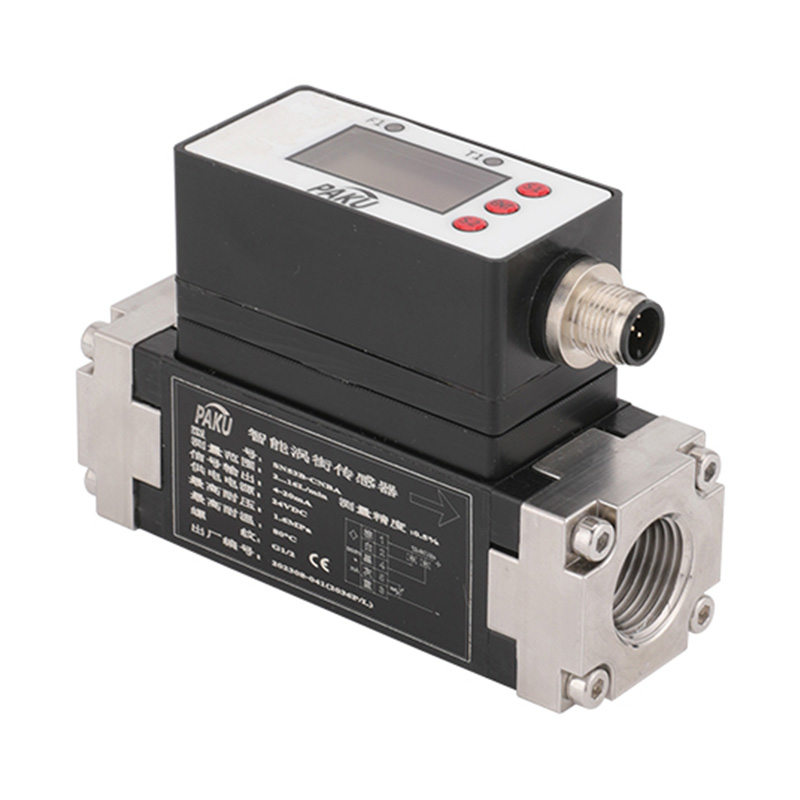
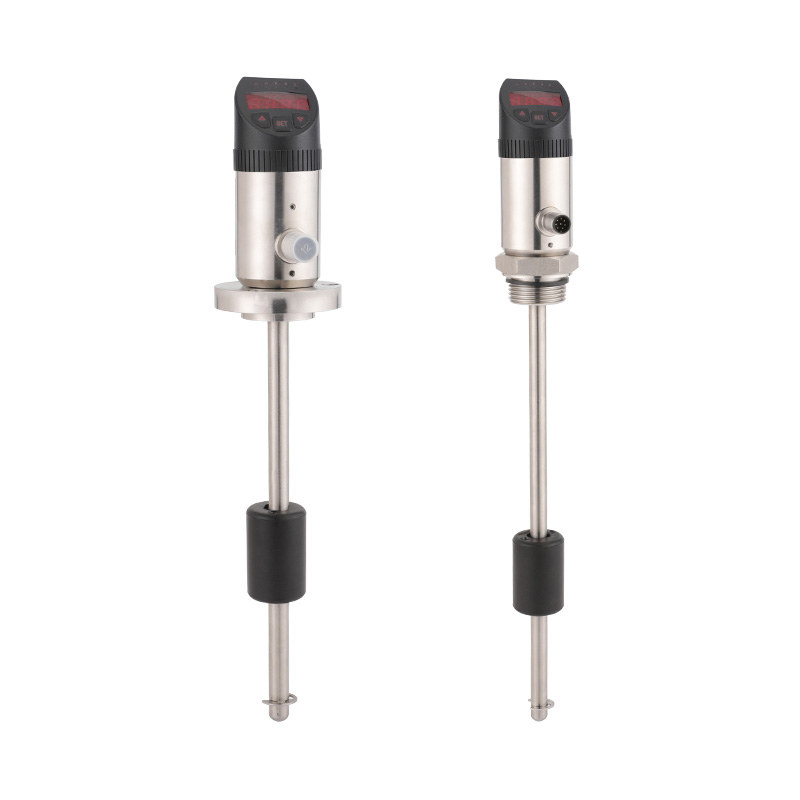
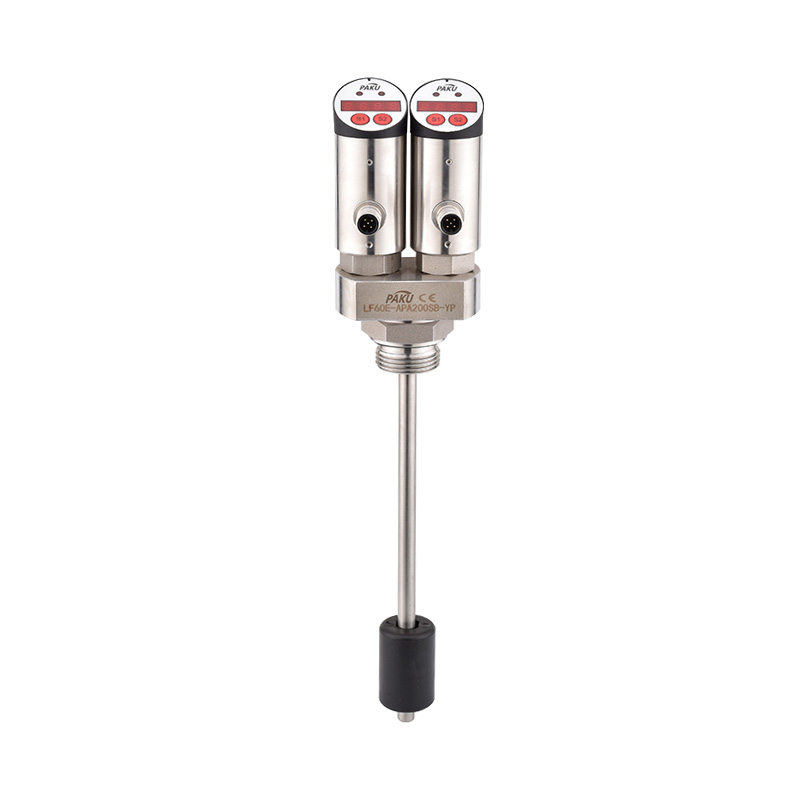
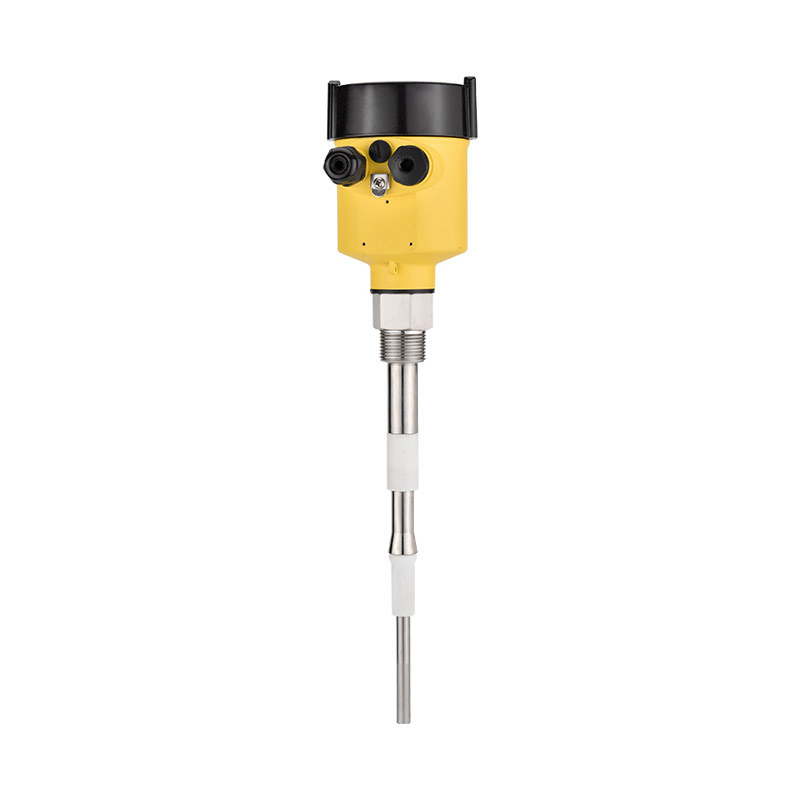
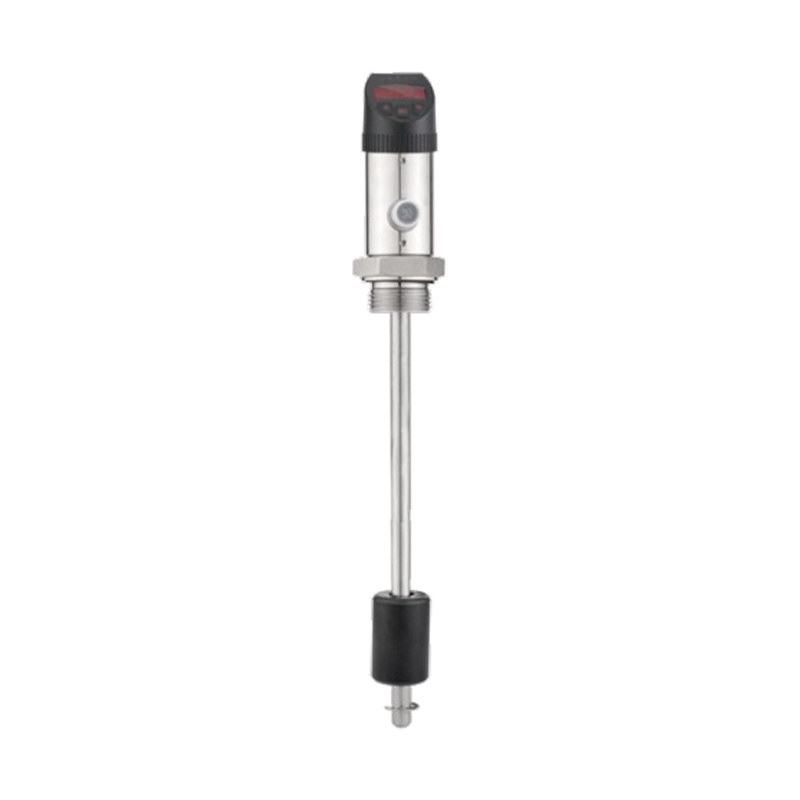

If you need any help, please feel free to contact us
inquire
Are Advanced Temperature Series Instruments Key to Reliable System Performance
The Importance of Advanced Temperature Series Instruments
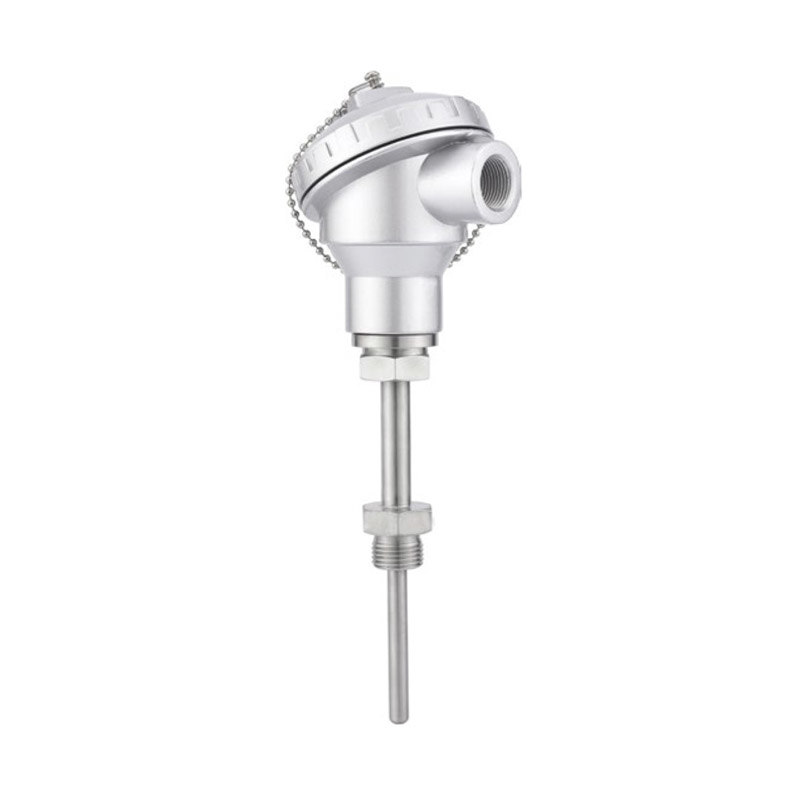
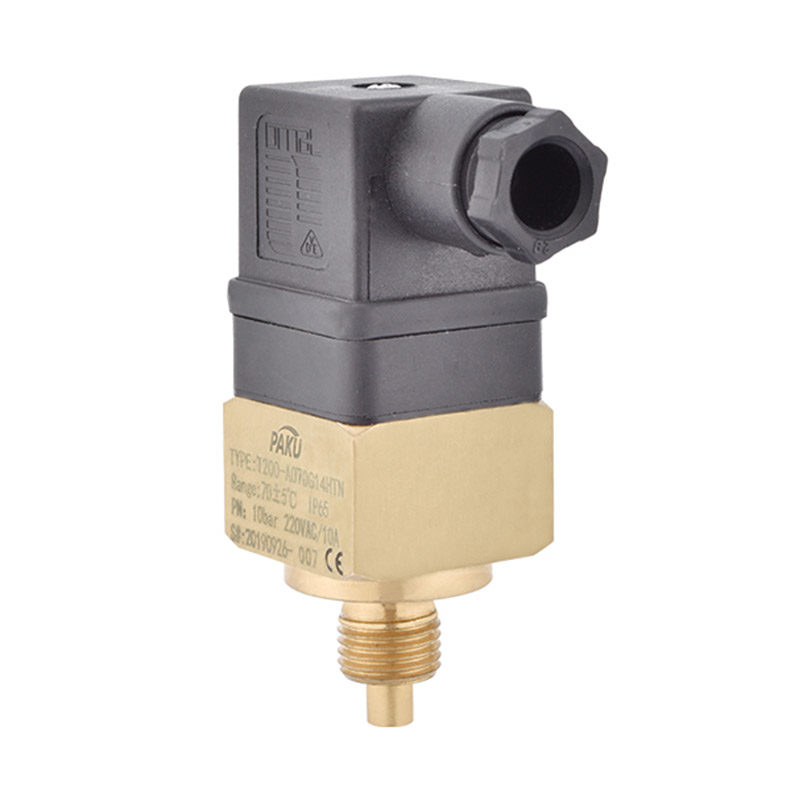
Temperature series instruments play a critical role in ensuring accurate monitoring, control, and optimization across industrial, laboratory, and commercial applications. These instruments provide precise readings and allow real-time adjustments, enhancing system reliability and operational safety. In industries where temperature fluctuations can impact product quality, process efficiency, or safety, having advanced temperature monitoring solutions is essential.
From chemical processing and HVAC systems to food production and electronics manufacturing, temperature series instruments help maintain consistent performance and prevent costly errors. Their accuracy and adaptability make them a cornerstone of modern process control and automation.
Key Features of Advanced Temperature Series Instruments
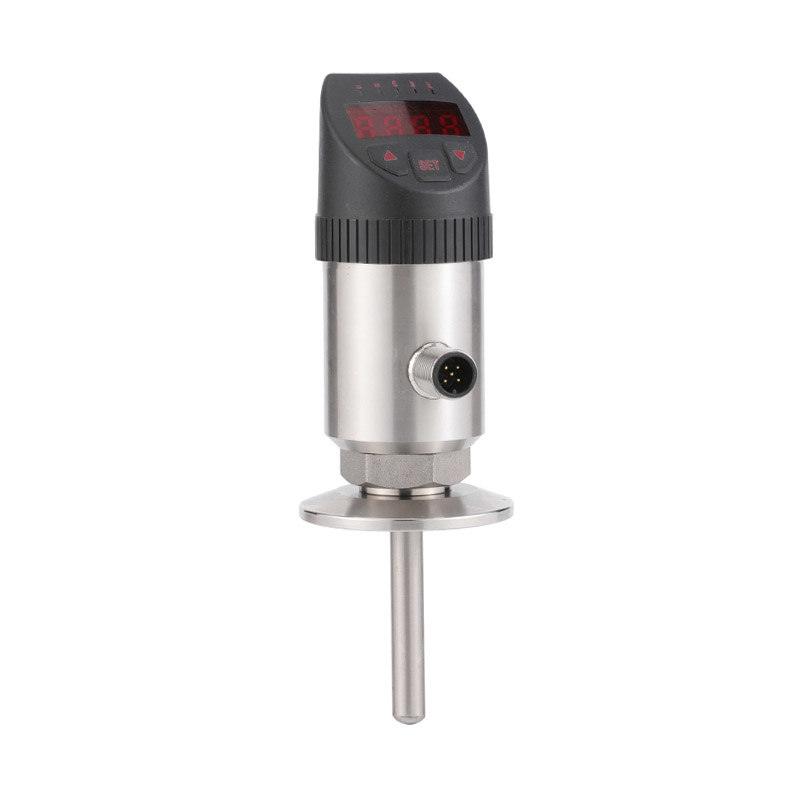
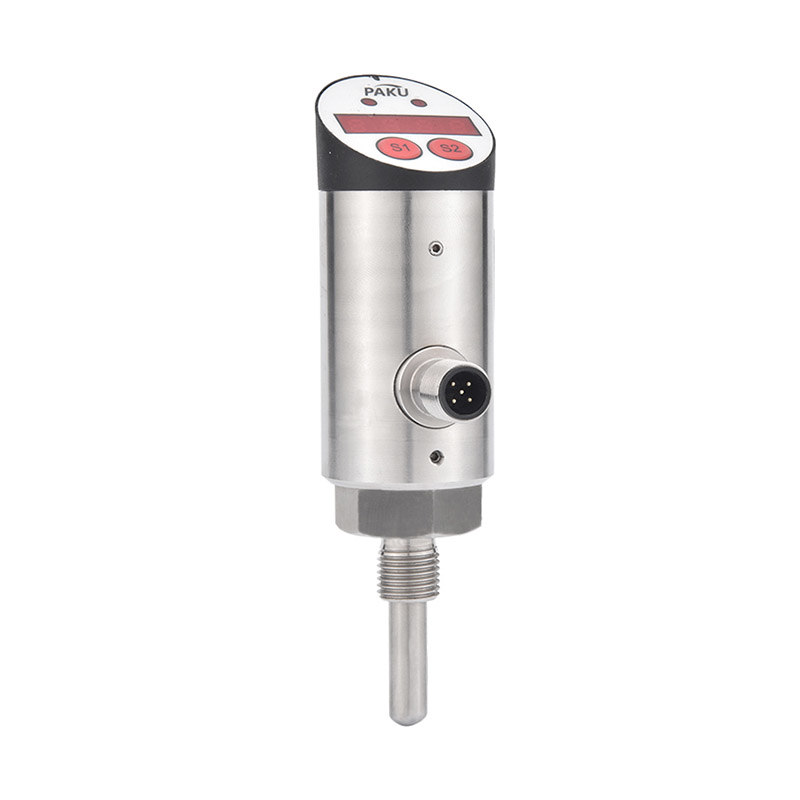
Modern temperature series instruments offer features that go beyond simple temperature measurement. High-resolution sensors, digital display interfaces, and integrated communication protocols allow seamless integration with control systems. These devices are designed for durability and long-term reliability, capable of withstanding extreme environments.
Precision and Accuracy
Advanced temperature instruments provide precise measurements, often with accuracy levels within ±0.1°C. Such precision is critical in processes where minor temperature deviations can lead to defective products, energy inefficiency, or safety hazards. High-accuracy sensors ensure that industrial systems operate within defined parameters, maintaining quality and reducing waste.
Real-Time Monitoring and Control
Many temperature series instruments feature real-time monitoring and data logging. This allows operators to track temperature trends, receive alerts for deviations, and implement automatic adjustments. Integration with programmable logic controllers (PLCs) and building management systems enables automated responses, improving efficiency and minimizing manual intervention.
Applications Across Industries
Advanced temperature series instruments are widely used across multiple industries to ensure process consistency, product quality, and operational safety.
Chemical and Pharmaceutical Industries
In chemical and pharmaceutical manufacturing, precise temperature control is crucial to ensure reactions occur under optimal conditions and maintain product efficacy. Temperature series instruments monitor reactors, storage tanks, and process lines, preventing overheating or undercooling that could compromise safety or product quality.
Food and Beverage Industry
In food processing, accurate temperature measurement ensures compliance with safety standards, preserves flavor and nutritional content, and prevents spoilage. Instruments in the temperature series are integrated with cooling and heating systems to maintain consistent temperatures during production, storage, and transportation.
Electronics and Semiconductor Manufacturing
Temperature fluctuations can negatively impact sensitive electronics and semiconductor fabrication. Advanced temperature series instruments provide high-resolution monitoring and control, ensuring stable thermal environments, minimizing defects, and maintaining operational efficiency in high-tech manufacturing.
Comparison of Basic vs Advanced Temperature Series Instruments
The benefits of advanced instruments over basic temperature devices are evident in accuracy, reliability, and functionality:
| Feature | Advanced Temperature Series | Basic Thermometers |
| Accuracy | High, ±0.1°C | Moderate, ±1–2°C |
| Monitoring | Real-time, continuous logging | Manual, intermittent |
| Integration | With PLCs, IoT, and BMS | Limited or none |
| Environment Tolerance | Extreme temperatures and harsh conditions | Moderate conditions only |
Integration with Smart Systems
Modern temperature series instruments can connect with digital monitoring platforms, enabling predictive maintenance, remote management, and analytics. This connectivity allows operators to make data-driven decisions, optimize processes, and prevent downtime. Integration with IoT and industrial control systems enhances efficiency and operational reliability.
Energy Efficiency and Sustainability
Advanced instruments help reduce energy consumption by maintaining precise thermal control, avoiding unnecessary heating or cooling. Efficient temperature management reduces waste, prolongs equipment life, and supports sustainability initiatives across industries.
Challenges and Implementation Considerations
While advanced temperature series instruments offer numerous benefits, implementation requires careful consideration of calibration, sensor placement, and integration with existing systems. Training personnel to interpret data and maintain equipment is essential for maximizing performance and reliability.
Conclusion: Enhancing System Reliability and Performance
Advanced temperature series instruments are essential tools for ensuring system reliability, operational safety, and process optimization. Their precision, real-time monitoring, and integration with smart systems enable industries to maintain consistent quality, reduce downtime, and improve energy efficiency.
As industries increasingly rely on automation, data analytics, and high-precision manufacturing, adopting advanced temperature series instruments is a strategic investment that enhances both performance and long-term operational resilience.
information
 jayden@exwprice.com
 +86-13386111894 / +86-021-37566990
jayden@exwprice.com
 B-4th Floor, Lane 1313, Nanting Road, Nanqiao Town, Fengxian District, Shanghai, China

Product Links

